




By Mohammad Talha, Trader | Reviewed for accuracy | Last updated: July 2026
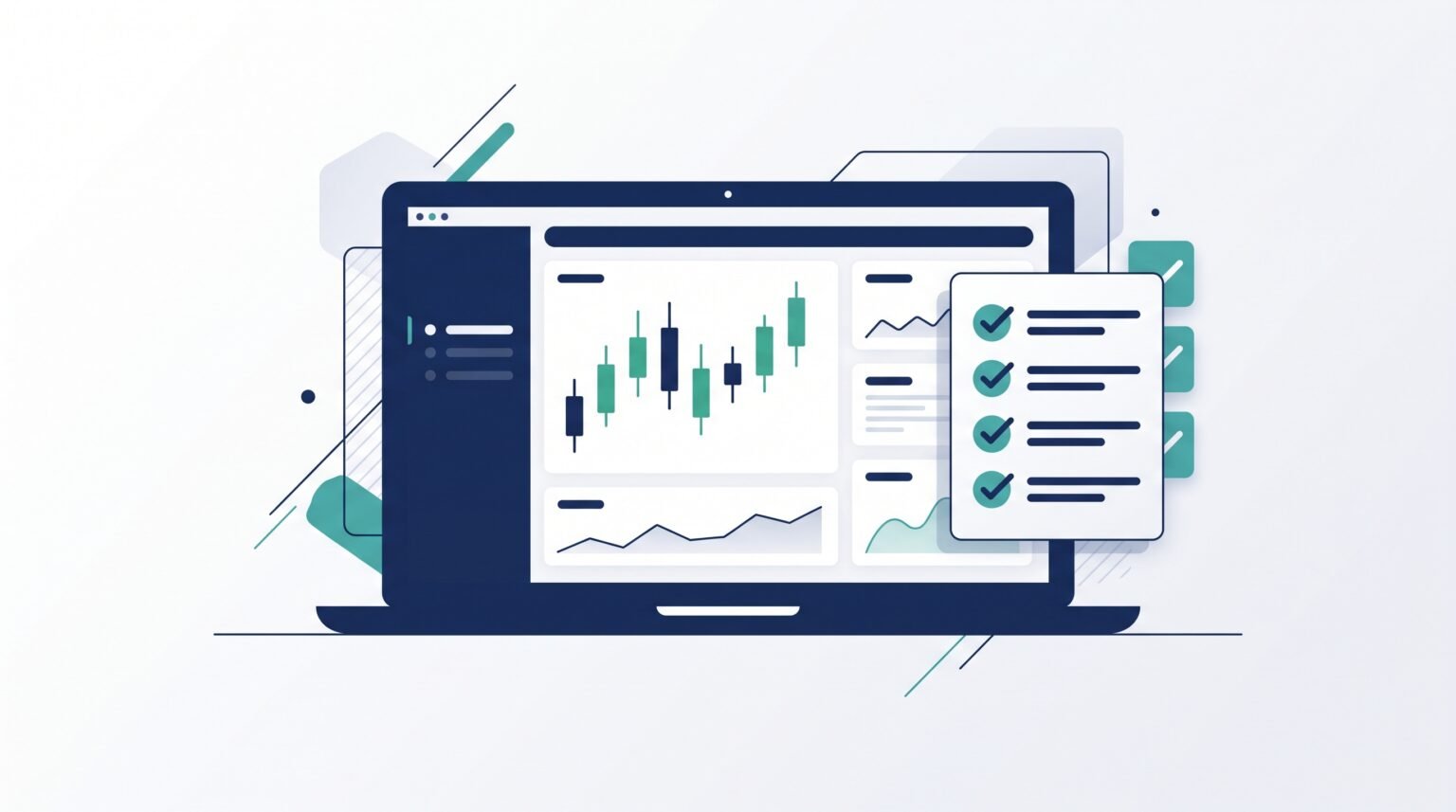
There’s no single “best” day trading platform — the right one depends on your account size, how you trade, and what you actually need from a platform versus what looks impressive in a screenshot. What matters far more than any single platform’s name is knowing the specific factors that separate a platform that helps you trade well from one that quietly costs you money through fees, slow execution, or missing features. This guide walks through exactly what to check before you commit to one.
I’ll be upfront: this isn’t a ranked list of specific brokers. Most “best platform” articles are really just affiliate rankings dressed up as advice. What follows instead is the actual checklist worth running through — apply it to whichever platforms you’re considering, and you’ll make a better decision than picking whatever’s trending on social media that week.
What Actually Makes a Platform “Good” for a Beginner
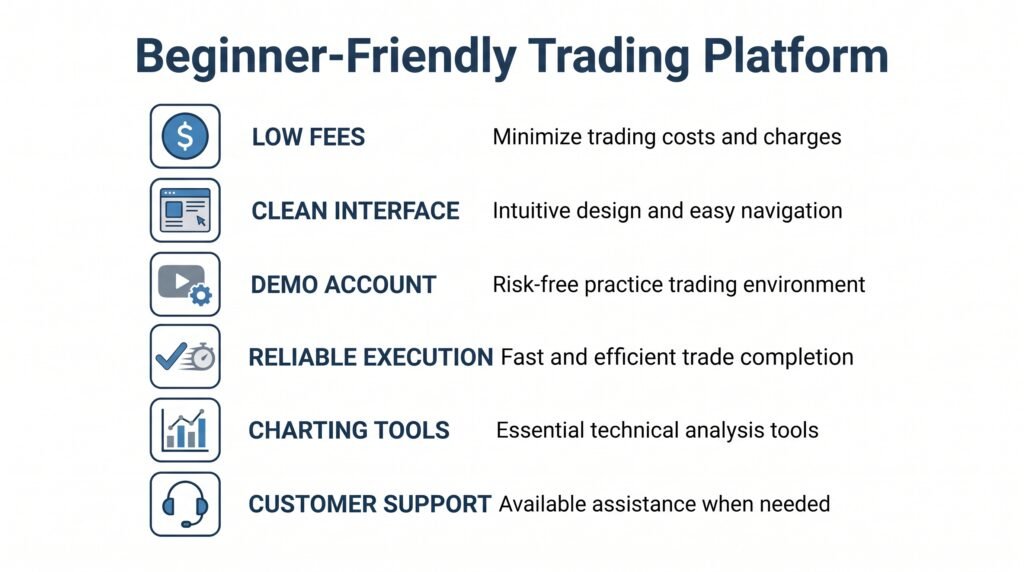
A platform being popular and a platform being right for you are two different things. Professional day traders often use platforms with steep learning curves because they need advanced order types and raw speed — features a beginner doesn’t need yet and that just add friction. For someone starting out, the priority list looks different:
- Low or zero commissions on the trades you’ll actually be making
- A clean, uncluttered interface you can navigate under pressure, not just in a demo
- A real paper trading (demo) mode to practice before risking money
- Reliable execution — orders that fill at the price you expect, when you expect
- Solid charting tools without needing a separate subscription
- Clear, accessible customer support when something goes wrong mid-session
Notice that “flashy features” isn’t on that list. The platforms that market hardest toward beginners often lead with the features professionals actually use, which can create the illusion that more tools automatically means a better platform. In practice, a simple platform you understand completely beats a powerful one you’re still learning the buttons for.
Commissions and Hidden Fees to Watch For
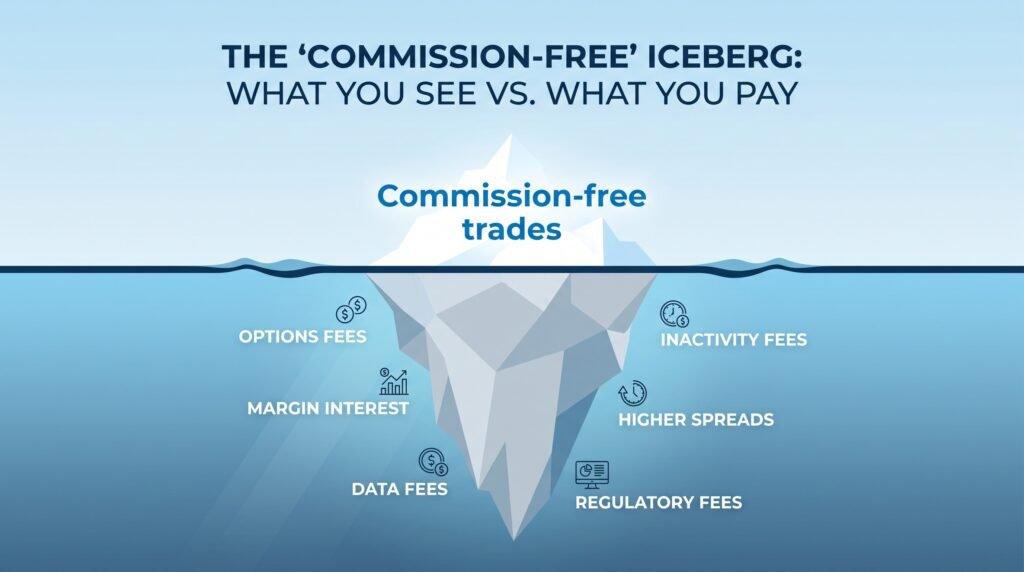
Most major US platforms now offer commission-free stock and ETF trading, so this box feels “checked” by default — but the real fee structure worth scrutinizing for day traders shows up elsewhere:
- Options contract fees — often $0.50–$0.65 per contract even when the base trade is “free,” which adds up fast for active options traders
- Margin interest rates — if you’re trading on margin, rates vary meaningfully between platforms and can quietly erode returns on a leveraged strategy
- Data/subscription fees — real-time Level 2 quotes or advanced charting sometimes sit behind a monthly fee even on platforms that market themselves as free
- Inactivity fees — some platforms charge a small fee if an account sits unused for a stretch, worth checking if you don’t plan to trade daily
- Withdrawal or account transfer fees — a small detail, but worth knowing before you’re locked into a platform you want to leave
The honest takeaway: “commission-free” is table stakes now, not a differentiator. The fees that actually separate platforms are the ones buried a few menus deep in the fee schedule, not the headline number in the ad.
Order Execution Speed and Reliability
For a long-term investor, execution speed barely matters — a few seconds of delay on a trade you’re holding for years is irrelevant. For a day trader, it’s a completely different story. A platform that lags during high-volatility moments (which is exactly when day traders are most active) can mean the difference between filling near your intended price and filling meaningfully worse.
This is genuinely hard to evaluate from marketing pages, because every platform claims fast execution. The more useful signal is checking independent trader forums and review sites for complaints specifically about outages during high-volume trading days — that pattern shows up repeatedly for platforms with real infrastructure problems, and it’s the kind of detail that doesn’t show up in a features comparison chart.
Charting Tools and Technical Analysis Features
If you’ve worked through candlestick patterns and technical setups, your platform needs to actually support that kind of analysis without forcing you into a separate paid charting subscription. At minimum, check for:
- Multiple timeframe views (1-minute through daily, at least)
- Drawing tools for trendlines and support/resistance levels
- A reasonable library of built-in indicators (moving averages, RSI, MACD, volume)
- The ability to save chart templates so you’re not rebuilding your setup every session
Some platforms bundle strong charting for free; others treat it as a premium add-on. This is worth testing directly in a demo account before committing, rather than trusting a features list on a marketing page.
Paper Trading (Demo Accounts): Use This More Than You Think You Need To
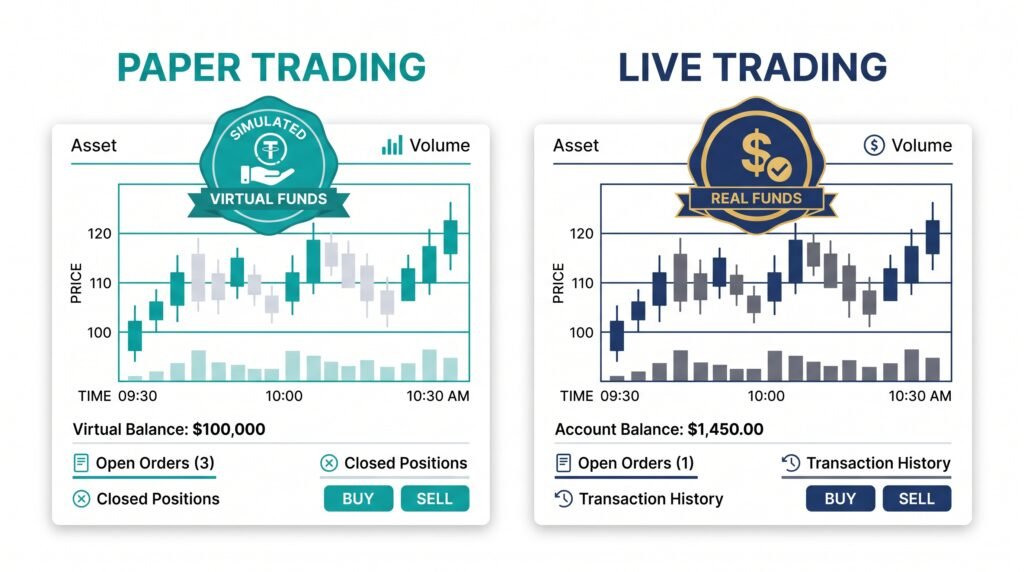
Almost every serious platform offers a paper trading mode — a simulated account using real market data but fake money. Beginners tend to either skip this entirely (eager to trade real money) or use it for a day and move on. Neither gets the full value out of it.
The actual use case for paper trading isn’t “prove you can pick winning trades” — it’s building comfort with the platform’s mechanics (order types, how fills actually look, how the interface behaves under fast price movement) before any of that comes with real financial consequences. A week or two of deliberate paper trading, specifically practicing order entry and exit discipline rather than just watching price move, is worth far more than the same time spent reading strategy articles.
Account Minimums and the Pattern Day Trader (PDT) Rule
This is one of the most important — and most overlooked — factors for US-based day traders, and it has nothing to do with which platform you pick.
Under FINRA rules, any trader who executes 4 or more day trades within 5 business days in a margin account is classified as a Pattern Day Trader (PDT). Once flagged, that account is required to maintain a minimum equity of $25,000 to continue day trading. Fall below that threshold, and the account gets restricted from day trading until equity is restored.
This rule applies across virtually all US brokers — it’s a FINRA/regulatory requirement, not something a specific platform imposes. If you’re starting with less than $25,000, this materially affects your options:
- Trade within a cash account instead of margin (day trading rules apply differently, though cash accounts come with their own settlement-time restrictions)
- Limit yourself to fewer than 4 day trades per rolling 5-day window
- Focus on swing trading (holding positions for days to weeks) instead of day trading until your account grows past $25,000
This single rule is often the actual reason a “great platform” feels restrictive to a small-account beginner — it’s rarely the platform’s fault.
Security, Regulation, and Why It Matters
Before funding any account, confirm the platform is a registered broker-dealer and a member of SIPC (Securities Investor Protection Corporation), which protects securities in your account (not against market losses, but against the brokerage itself failing) up to $500,000, including $250,000 in cash. This information is required to be disclosed and is usually in the platform’s footer or a dedicated legal/disclosures page — if you can’t find it, that’s a red flag worth taking seriously.
How to Actually Test and Choose a Platform Yourself
- Shortlist 2–3 platforms based on the account type you need (cash vs margin, stocks vs options vs futures)
- Open a paper trading account on each, if available, before funding anything real
- Place the same handful of practice trades on each platform and compare how the order entry, fills, and charting actually feel
- Read the fee schedule in full, not just the homepage’s headline claim — specifically options fees, margin rates, and data fees
- Search “[platform name] outage” or “[platform name] complaints” to check for recurring reliability issues
- Confirm SIPC membership and regulatory registration before funding the account
- Start with a small deposit, not your full intended capital, and evaluate the real experience over 2–4 weeks before committing more
Common Mistakes Beginners Make Choosing a Platform
- Choosing based on social media hype rather than testing the platform against their own actual needs
- Ignoring the PDT rule entirely, then getting blindsided when a small account gets flagged and restricted
- Chasing the “most advanced” platform before understanding basic order types, adding complexity that isn’t needed yet
- Skipping the fee schedule and getting surprised by options or data fees later
- Switching platforms too often, losing the benefit of getting genuinely comfortable with one system’s mechanics
Frequently Asked Questions
What’s the best day trading platform for beginners? There isn’t a single universal answer — the right platform depends on account size, whether you’re trading stocks or options, and how much you value charting tools versus simplicity. The framework in this guide (fees, execution reliability, charting, paper trading, and regulatory status) is what actually determines fit, more than any one platform’s reputation.
Do I need $25,000 to day trade? Only if you plan to make 4 or more day trades within a rolling 5-business-day window in a margin account, which triggers the Pattern Day Trader rule under FINRA regulations. Trading less frequently, or using a cash account, avoids this requirement, though cash accounts have their own settlement-time rules to understand first.
Is a free trading platform actually free? Commission-free stock and ETF trades are now standard, but options contract fees, margin interest, and premium data or charting subscriptions can still apply. Always check the full fee schedule, not just the commission line.
How do I practice day trading without risking money? Use a paper trading (demo) account, which most established platforms offer for free. It uses real market data with simulated money, letting you practice order entry, exits, and platform mechanics before trading real capital.
Is my money safe on a day trading platform? Confirm the platform is a registered broker-dealer and a member of SIPC, which protects your securities (not against market losses, but against brokerage failure) up to $500,000, including up to $250,000 in cash.
Disclaimer: This article is for educational purposes only and does not constitute financial or investment advice. Trading involves substantial risk, including the potential loss of principal. Always do your own research or consult a licensed financial advisor before choosing a platform or making trading decisions.
Related reading: Candlestick Patterns: The Complete Guide | Stock Market for Beginners | Swing Trading Strategy Guide